

Oral thrush – or oral pseudomembranous candidiasis – is a fungal infection of the mouth common among denture wearers, infants and people with weakened immune systems. The most common human fungal infection, thrush presents as slightly raised removable plaques (resembling cottage cheese) on the tongue or inner cheek. It can also affect the roof of the mouth, gums, tonsils or back of the throat. There are three other forms of oral candidiasis infections: Erythematous candidiasis appears as red patches on the roof of the mouth and tongue. Hyperplastic (chronic) candidiasis resembles the more common type, but cannot be scraped off. Angular cheilitis looks like red sores that develop in the corners of the mouth. Oral Thrush …

Medications & Dental Health
Many people don’t realize that medications, whether they are over-the-counter drugs or prescription treatments, can take a toll on their teeth. A lot of medications include symptoms that are damaging to your oral health such as dry mouth, oral thrush, burning mouth syndrome, and various gum issues. What is even more threatening is if you are taking more than one type of medication, it can be much harder to pinpoint the exact source of the problem. Dry Mouth The most common symptom of medications that leads to oral health issues is dry mouth, which can lead to tooth decay and other oral symptoms. Most patients don’t realize the severity of issues dry mouth brings until it is too late. Medications that are linked to dry mouth include …

What Exactly Is Lidocaine?
Do you ever stop and wonder what Lidocaine actually is? In an effort to better educate our patients, Here’s a short description and explanation of the product. What’s In Lidocaine? Lidocaine, sometimes referred to as Lignocaine, is a medication used to numb a specific area of tissue. Also known as a local anesthetic. To allow for larger doses for numbing, Lidocaine can be mixed with small amounts of epinephrine. It can also help to decrease bleeding and to make the numbing effect last longer. It helps relieve pain and vascular spasms as a recommended treatment of injections. Lidocaine is an antiarrhythmic medication of the class Ib type. This means it works by blocking sodium channels and thus decreasing the rate of contractions of the …

Dental Implants for Missing Teeth/Uncomfortable Dentures
If you are self-conscious because you have missing teeth, wear dentures that are uncomfortable or don't want to have good tooth structure removed to make a bridge, talk to your dentist to see if dental implants are an option for you. Dental implants are a popular and effective way to replace missing teeth and are designed to blend in with your other teeth. They are an excellent long-term option for restoring your smile. In fact, the development and use of implants is one of the biggest advances in dentistry in the past 40 years. Dental implants are made up of titanium and other materials that are compatible with the human body. They are posts that are surgically placed in the upper or lower jaw, where they function as a sturdy anchor for …
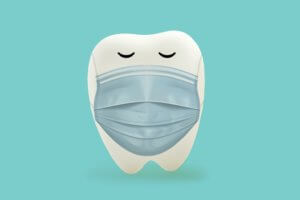
Covid-19: Yes, it’s Safe to Go to the Dentist
The COVID-19 pandemic has changed a lot of things about our daily lives. Your regular visits to the dentist have changed, too. In March, the ADA recommended that dentists postpone all but emergency procedures until April 30 at the earliest to help reduce the spread of the virus; save masks gloves and other personal protective equipment and help keep patients who need emergency treatment from going to busy hospital emergency rooms. Now that this date has passed and states have reopened, dental practices are seeing patients for the full range of dental services. An October 2020 report published in The Journal of the American Dental Association found that fewer than one percent of dentists nationwide were found to be COVID-19 positive …

Heart Disease & Oral Health
Take care of your gums...help your heart? The American Heart Association recently published a statement supporting an association between gum disease and heart disease. The article noted that current scientific data do not indicate if regular brushing and flossing or treatment of gum disease will decrease the incidence, rate or severity of the narrowing of the arteries (called atherosclerosis) that can lead to heart attacks and strokes. However, many studies show an as-yet-unexplained association between gum disease and several serious health conditions, including heart disease, even after adjusting for common risk factors. Gum disease is an infection of the tissues that support the teeth and is a major cause of tooth loss in adults. …

HPV Vaccine & Oral Health
You’ve probably heard about the health risks caused by human papillomavirus, or HPV. Many people are exposed to HPV, and, the body is usually able to clear the infection on its own within one to two years. Yet, many people remain infected. It’s important to understand there is a link between HPV and oral health. HPV can also infect the mouth and throat. And there are some types of HPV that increase the risk for certain head and neck cancers. HPV can cause cancers in the oropharynx – which includes the back of the throat, the tonsils and the base of the tongue. Studies show that HPV causes up to 70% of these cancers in the U.S. Thankfully, the HPV vaccine is a simple way to protect your family. Who should get the HPV vaccine? The …

HPV: Head, Neck and Oral Cancers
The human papilloma virus (HPV) is the most common sexually transmitted disease in the United States, with 14 million new cases each year. According to the CDC, there are more than 40 types of HPV, but most are cleared from the body by the immune system without causing any health problems. Still, some types of HPV affect the mouth and throat. Low-risk strains can cause mouth or throat warts, but high-risk strains are associated with head and neck cancers (also known as oropharyngeal cancers) that affect the mouth, throat, tonsils and back of the tongue. Oral cancer is just one type of head and neck cancer. Data from the CDC indicates that about 7% of people have oral HPV, but only 1% have the type of oral HPV found in head and neck …

HIV/AIDS & Dental Health
If you, or someone you know, is living with HIV/AIDS, the American Dental Association recommends that dental health care be part of all HIV/AIDS treatment plans. That’s because people living with HIV/AIDS are more susceptible to infections including dental infections, which can affect their overall health. How Does HIV/AIDS Affect the Mouth? Your mouth may be the first part of your body to be affected when infected with HIV. Because infection with HIV will weakened your immune system, this means you will be susceptible to infections and other problems. In your mouth, this can cause pain and tooth loss. People with HIV may experience the following mouth issues: Dry mouth Thrush White lesions on the sides of the tongue (oral …

Hormones & Dental Health: An Essential Guide for Women
You may be surprised to learn that hormone surges may make you more vulnerable to gum disease. Here’s why: More female hormones (estrogen and progesterone) cause more blood to flow to your gums, which causes them to become more sensitive and “overreact” to anything that may irritate them. Women are more sensitive to the presence of plaque and bacteria around the gums when the hormone levels are high. This can cause your gums to become inflamed, swell and bleed. If left untreated, ongoing inflammation in the gums can also lead to bone loss around the teeth and eventual tooth loss. Your hormones are a fact of life, but gum disease not so much. It’s actually preventable and reversible in its early stages. So what’s a woman to do? Start by …