

Grills, also called “grillz” or “fronts,” are decorative covers often made of gold, silver or jewel-encrusted precious metals that snap over one or more of their teeth. They generally are removable but some grill wearers have had their teeth altered with gold crowns to permanently resemble a grill. And some have tried to attach their grill with glue—something that is not meant for internal use and can damage the teeth and tissues! At present there are no studies that show that grills are harmful to the mouth—but there are no studies that show that their long-term wear is safe, either. Some grills are made from non-precious (base) metals that may cause irritation or metal-allergic reactions. If you wear a grill, you should be especially …

Can Genetic Testing Predict Your Dental Health?
Can a genetic test predict your risk of developing future cavities or severe gum disease? The answer, at this point in time, is no. There are commercially marketed tests that claim to measure risk of disease or susceptibility to future disease. Predictive genetic tests look for clues in your Oral DNA that could indicate whether you are at risk of developing certain diseases or medical conditions. For these tests, you are often asked to swab your cheek or mail a saliva sample back to a lab. The company follows up with results and may or may not provide a consultation with a medical professional. However, just because you have a DNA “marker” associated with a particular disease, it does not mean you will ultimately develop the disease. …

What is Fluorosis?
Dental fluorosis is the appearance of faint white lines or streaks on the teeth that only occurs when younger children consume too much fluoride, from any source, over long periods when teeth are developing under the gums. Once teeth break through the gums, you cannot develop fluorosis. Fluorosis isn’t a disease and doesn’t affect the health of your teeth. In most cases, the effect is so subtle that only a dentist would notice it during an examination. The type of fluorosis found in the United States has no effect on tooth function and may make the teeth more resistant to decay. What Can I Do to Prevent My Child From Developing Fluorosis? The chance of developing fluorosis exists until about age eight because teeth are still forming …

Fluoride: A Complete Guide
Fluoride is often called nature’s cavity fighter and for good reason. Fluoride, a naturally-occurring mineral, helps prevent cavities in children and adults by making the outer surface of your teeth (enamel) more resistant to the acid attacks that cause tooth decay. How Does Fluoride Protect Teeth? Fluoride benefits both children and adults. Here's how: Before teeth break through the gums, the fluoride taken in from foods, beverages and dietary supplements makes tooth enamel (the hard surface of the tooth) stronger, making it easier to resist tooth decay. This provides what is called a "systemic" benefit. After teeth erupt, fluoride helps rebuild (remineralize) weakened tooth enamel and reverses early signs of tooth decay. When you …

What is Community Water Fluoridation?
Adding fluoride to public water supplies is a safe and effective way to prevent tooth decay and has played a major role in in improving the public’s dental health for more than 70 years. "Fluoride’s effectiveness in preventing tooth decay extends throughout one’s life, resulting in fewer—and less severe̵—cavities," says former Surgeon General Vivek H. Murthy. Read on to learn more about what the Centers for Disease Control and Prevention (CDC) has proclaimed as one of 10 great public health achievements of the 20th century. What Is Community Water Fluoridation? Fluoridation of community water supplies is simply the adjustment of the existing, naturally occurring fluoride in drinking water to an optimal level for the prevention of …
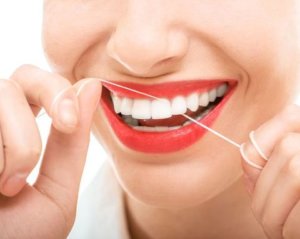
5 Steps to a Fantastic Floss
We know we should floss at least once a day, but not everyone knows the right way to do it. Use this step-by-step guide to find out how to properly floss your teeth: Break off about 18 inches of floss and wind most of it around one of your middle fingers. Wind the remaining floss around the same finger of the opposite hand. This finger will take up the floss as it becomes dirty. Hold the floss tightly between your thumbs and forefingers. Guide the floss between your teeth using a gentle rubbing motion. Never snap the floss into the gums. When the floss reaches the gum line, curve it into a C shape against one tooth. Gently slide it into the space between the gum and the tooth. Hold the floss tightly …

Dental Erosion: What You Eat & Drink Can Impact Teeth
Think that only sweet-tasting drinks and snacks are harmful for your teeth? Think again. Sugar isn’t the only dietary factor that can damage your smile. Foods and beverages that are high in acids wear away the enamel that protects your teeth, a process known as tooth erosion. This changes the appearance of your teeth and opens the door for bacteria that can cause cavities or infection. What Does Tooth Erosion Do to My Teeth? Tooth erosion is permanent. If your enamel has started to wear away, you may: Feel pain or sensitivity when consuming hot, cold or sweet drinks Notice a yellowish discoloration of the teeth Find that your fillings have changed Face greater risks for more cavities over time Develop an toothache, in …

Dental Erosion: Acid Reflux Effects & Prevention
Did you know your digestive health can affect your teeth? Frequent stomach upset can cause a gradual wearing away of the protective enamel on your teeth, a process known as tooth erosion. This can affect the appearance of your teeth and open the door for harmful bacteria that cause cavities. How Do Stomach Problems Affect My Teeth? Your stomach produces natural acids that help your body digest food. Sometimes, these acids travel up the throat and into the mouth, especially after a large meal. Ordinarily, our saliva rebalances the acid levels in our mouth and everything’s fine. But for those who suffer from gastroesophageal reflux, also known as acid reflux or GERD, gastric acids reach the mouth throughout the day. This process is …

Tooth Extraction & What to Do After
An extraction means to have a tooth removed, usually because of disease, trauma or crowding. If you need an extraction, our dentist will first numb the area to lessen any discomfort. After the extraction, your dentist will advise you of what post extraction regimen to follow. In most cases a small amount of bleeding is normal. Your mouth will slowly fill in the bone where the tooth root was through the formation of a blood clot. Here are some tips to follow to make recovery easier: Avoid anything that might prevent normal healing. Don’t smoke or rinse your mouth vigorously. Avoid drinking through a straw for 24 hours. Follow the diet your dentist suggests. For the first few days, if you must rinse, rinse your mouth …

5 Promises ADA Dentists Make to Their Patients
When it comes to choosing a dentist, character counts. In a 2015 survey by the American Dental Association, 69 percent of people polled said they were more likely to choose an ADA member the next time they were looking for a dentist. The reasons why are simple. Patients who took the survey said they appreciate the patient-first promise that ADA dentists make as part of the association's code of ethics. "To me, nothing matters more than doing what I do ethically, honestly and to the best of my ability," says American Dental Association spokesperson Dr. Matthew Messina. Here's a breakdown of the 5 pledges dentists make in the ADA Principles of Ethics and Code of Professional Conduct and what you can expect at your next …