

New parents sometimes anticipate their baby's first tooth with a mixture of excitement and worry. While reaching a new developmental milestone is always a cause for celebration, this particular one can come with considerable discomfort. However, teething is different for each baby, and need not be painful at all; plus, there are steps you can take to make the process easier for your baby — and yourself. Teething refers to the process by which primary (baby) teeth emerge through the gums and become visible in the mouth. This usually begins between six and nine months of age, though it may start as early as three months or as late as one year. Usually, the lower front teeth erupt first, followed by the ones directly above. Most children …

What Causes Tooth Sensitivity?
Have you ever felt pain or discomfort after a bite of ice cream or a spoonful of hot soup? If so, you’re not alone. While pain caused by hot or cold foods could be a sign of a cavity, it’s also common in people who have sensitive teeth. Tooth sensitivity, or “dentin hypersensitivity,” is exactly what it sounds like: pain or discomfort in the teeth as a response to certain stimuli, such as hot or cold temperatures. It may be temporary or a chronic problem, and it can affect one tooth, several teeth, or all the teeth in a single individual. It can have a number of different causes, but most cases of sensitive teeth are easily treated with a change in your oral hygiene regimen. Symptoms of sensitive teeth People with sensitive …
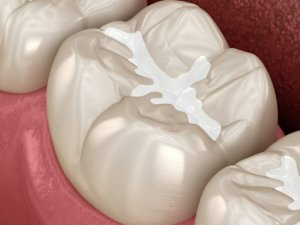
Why Are Dental Sealants So Important?
Brushing and flossing are the best ways to help prevent cavities, but it’s not always easy to clean every nook and cranny of your teeth – especially those back teeth you use to chew (called molars). Molars are rough, uneven and a favorite place for leftover food and cavity-causing bacteria to hide. Still, there’s another safety net to help keep those teeth clean. It’s called a dental sealant, and it is a thin, protective coating (made from plastic or other dental materials) that adheres to the chewing surface of your back teeth. They’re no substitute for brushing and flossing, but they can keep cavities from forming and may even stop early stages of decay from becoming a full-blown cavity. In fact, sealants have been shown to reduce …

How a Root Canal Can Save Your Tooth
If you have a severely damaged, decaying tooth or a serious tooth infection (abscess), your dentist may recommend a root canal treatment. Root canals are used to repair and save your tooth instead of removing it. What’s Involved in Root Canal Repair? The pulp is soft tissue inside your tooth that contains nerves, blood vessels and provides nourishment for your tooth. It can become infected if you have: A deep cavity Repeated dental procedures that disturb this tissue A cracked or fractured tooth Injury to the tooth (even if there’s not a visible crack or chip) If untreated, the tissues around the root of your tooth can become infected. When this happens, you will often feel pain and swelling and an abscess may form inside …

Can You Remineralize Tooth Enamel?
At first glance, “tooth remineralization” sounds like some sort of constructive oral surgery—but no worries—it’s just another term to describe strengthening your teeth against decay and cavities through increasing the minerals in your teeth. Tooth and enamel remineralization is a relatively simple process. Did you know that by maintaining the right pH balance in your saliva, avoiding certain foods, and choosing a decay-fighting fluoride toothpaste, you’re already working toward tooth and enamel remineralization? What is the Mineralization of Teeth? Before discussing methods for remineralizing teeth, it’s essential to understand the naturally occurring tooth remineralization process and demineralization. According to the …

Saliva: The Hero of Oral Health
Saliva isn’t something you probably spend much time thinking about. But did you know that every moment of every day it affects your health? Saliva is vital for a healthy mouth, good digestion, and more. Read on to learn how saliva does a body good! What is saliva? Saliva is 98 percent water. It contains small amounts of important substances, including mucus, proteins, minerals, electrolytes, antibacterial compounds and enzymes. Saliva moistens the mouth for comfort, lubricates as you chew and swallow, and neutralizes harmful acids. It also kills germs and prevents bad breath, defends against tooth decay and gum disease, protects enamel, and speeds up wound healing. Saliva originates in the three pairs of major salivary glands and in …

The Facts About Fluoride Toothpaste
There are many different types of toothpaste on the market that are used to reduce tartar, prevent cavities, and improve gum health. Around 90 percent of these contain fluoride, a mineral found in relatively low concentrations in fresh and seawater. Depending on where you live, the water supply may also be fluoridated to reduce the risk of cavities, especially in kids. Fluoride toothpaste by far provides a higher concentration of the mineral than any other source. Fluoride's effectiveness in promoting dental health has been long established and is considered by the Centers for Disease Control and Prevention to be "one of 10 great public health achievements of the 20th century." Despite this, there is ongoing debate as to whether fluoride …

What is Tooth Enamel?
Enamel is the thin outer covering of the tooth. This tough shell is the hardest tissue in the human body. Enamel covers the crown which is the part of the tooth that's visible outside of the gums. Because enamel is translucent, you can see light through it. But the main portion of the tooth, the dentin, is the part that's responsible for your tooth color -- whether white, off white, grey, or yellowish. Sometimes coffee, tea, cola, red wine, fruit juices, and cigarettes stain the enamel on your teeth. Regular visits to your dentist for routine cleaning and polishing can help remove most surface stains and make sure your teeth stay healthy. What does tooth enamel do? Enamel helps protect your teeth from daily use such as chewing, …

Brushing with Baking Soda
Baking soda, or sodium bicarbonate, is a fine, white powder with almost innumerable household uses. Known mainly as a leavening agent, baking soda can do a lot more than make bread rise. One of its most popular uses is as a teeth cleaner and whitener. But is it as safe and effective as regular toothpaste? Here’s a look at the benefits and limitations of using baking soda on your teeth, and how to use it safely to remove plaque and oral bacteria. Does baking soda work as a toothpaste? Yes, it does work. While baking soda can’t protect your teeth from cavities as effectively as a fluoride toothpaste can, it’s still considered a good cleaning agent for your teeth. Toothpastes containing baking soda have been shown to have …

The difference between Plaque & Tarter
WE OFTEN GET THE QUESTION from our patients, “What’s the difference between plaque and tartar?” Many people think they are the same thing. There is an important difference between the two, however, and it can help explain just why a daily oral hygiene routine is so crucial, as well as twice-yearly visits to your dentist. Your teeth are tough. Covered by enamel, the hardest substance in your body, your teeth can handle a lot of wear and tear. But if you allow plaque to build up and harden, you may be at risk of developing tartar. Tartar can wreak havoc on your dental health and lead to gum disease. That’s why it’s important to know the difference between plaque and tartar, how to prevent both, and what to do if you notice buildup on …