
Saliva isn’t something you probably spend much time thinking about. But did you know that every moment of every day it affects your health? Saliva is vital for a healthy mouth, good digestion, and more. Read on to learn how saliva does a body good!
What is saliva?
Saliva is 98 percent water. It contains small amounts of important substances, including mucus, proteins, minerals, electrolytes, antibacterial compounds and enzymes. Saliva moistens the mouth for comfort, lubricates as you chew and swallow, and neutralizes harmful acids. It also kills germs and prevents bad breath, defends against tooth decay and gum disease, protects enamel, and speeds up wound healing.
Saliva originates in the three pairs of major salivary glands and in hundreds of minor glands surrounding the oral cavity. The major salivary glands responsible for most saliva production include the parotid (inside cheeks), sublingual (under tongue), and submandibular (near jawbone).
Tiny tubes called salivary ducts carry saliva from the glands into your mouth. Small amounts of saliva enter the mouth constantly to keep the mouth moist. The salivary glands really kick into action when you eat, or even just think about or smell food. Then your glands make lots of saliva, and you can notice much more of it in your mouth. An average person produces 2-4 pints of saliva every day.
Why is saliva important?
Saliva is an important part of a healthy body. Research shows that it protects against gum disease, tooth deacy, and other oral infections. A thin film of saliva covers teeth and buffers against bacteria, while antimicrobial agents in saliva kill disease-causing bacteria. As saliva moves around the mouth, it sweeps away small bits of food that feed the bacteria responsible for tooth decay.
Saliva neutralizes acids in the mouth that break down tooth enamel by washing away acidic residue from eating. When acid damages enamel, saliva repairs the tooth’s protective surface in a process called remineralization. Calcium, phosphorous, fluoride and other minerals contained in saliva repair the enamel surfaces of teeth, keeping them healthy, strong and resistant to cavities.
Saliva also plays an important role in digestion, thanks to an enzyme called amylase. Digestion begins in the mouth, when amylase breaks down starch, maltose and dextrose into smaller molecules. It also helps you to swallow food, by making it wet and soft, so it can slide down your throat more easily.
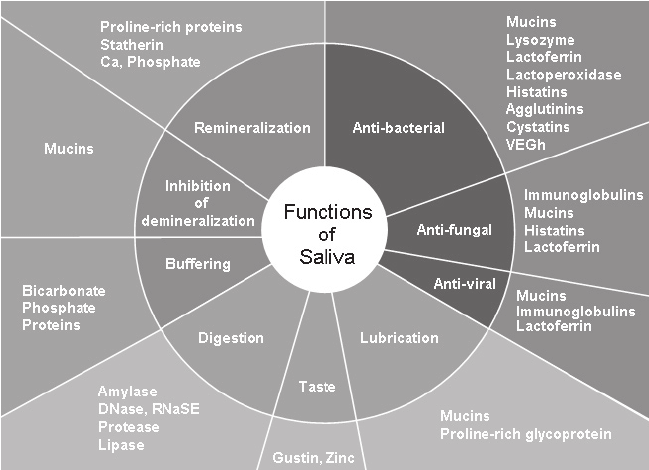
Benefits of Saliva
Since your mouth is the beginning of your digestive tract, saliva helps to bring the food down to the stomach. Just like the oil in your car engine, it helps you taste and swallow and keeps your digestive system running smoothly.
- Helps fight germs in your mouth
- Cleanses your teeth
- Contains proteins and minerals that help prevent tooth decay and gum disease
- Helps prevent bad breath
Problems When You Don’t Produce Enough Saliva
Your body produces saliva throughout the day, and your salivary glands increase the amount of saliva produced every time you chew. So, what happens if your body does not produce enough saliva? The following are some of the problems that can occur:
- Swollen tongue
- Dry mouth(Xerostomia)
- The Teeth and tongue start to stick to everything
- You can’t speak clearly
If untreated, it can lead to more serious issues like oral yeast infections or burning sensations in the mouth.
What is Xerostomia (dry mouth)?
Some people don’t make enough saliva. This condition is known as xerostomia, more commonly called dry mouth. When you don’t have enough saliva, gum disease and tooth decay happen easily, as your mouth becomes prone to infections from bacteria, yeast and fungus. Swallowing and digesting food becomes difficult, and bad breath occurs often. Plus, you will have the uncomfortable feeling of a dry mouth, including swollen gums and tongue.
Certain health conditions, such as Sjögren’s syndrome and diabetes, can cause dry mouth. Cancer treatments can cause dry mouth as well as more common things like dehydration, smoking, and mouth breathing. And hundreds of medications can cause dry mouth, including those for allergies, high blood pressure, asthma, anxiety and depression.
What Causes Dry Mouth?
- Side effects from over 400 prescriptions and over the counter medications
- Treatments like radiation for oral cancers
- Diseases such as diabetes
- Pregnancy
Dry mouth treatments:
- Drink plenty of water every day. Dehydration lowers saliva production.
- Talk with your health care provider to see if you’re taking a medication that causes dry mouth.
- Chew sugar-free gum and suck on sugar-free candy or mints. This can help you make more saliva.
- Keep up good dental care by brushing and flossing every day. Ask your dentist if a prescription-strength fluoride toothpaste or fluoride rinse would be helpful for you.
- See your dentist regularly for check-ups and cleanings to help prevent problems by spotting them early.
- See your health care provider, if you have white patches or sore spots in your mouth.
- Ask your health care provider about artificial saliva. He or she can prescribe a rinse or spray to help keep your mouth moist.
- Avoid foods that are salty, spicy or acidic — these can dry and irritate your mouth. You may also want to avoid drinks with caffeine or alcohol, which can also dry your mouth. Choose soft and smooth foods and make foods moist with sauces or broth.
- Rinse 4-6 times a day with a baking soda solution to reduce bacterial acids that cause cavities. You can make it at home from 2 teaspoons of baking soda in 8 ounces of water.
Looking for a Family Dentist in Beaufort, SC?
No matter if you are a native or have just moved to Beaufort, our team would love you to join our dental family. Our dentist office specializes conservative, preventative care. We offer complete dental services for the whole family in one convenient location. To make an appointment, call us at (843) 986-0177 or schedule an appointment online.
 The Facts About Fluoride Toothpaste