

You might think that dental checkups are always the same. While both regular cleanings and periodontal maintenance are performed on a routine schedule, they differ in that one is a preventative measure, and the other is a treatment. Professional dental cleanings are an essential component of preventing gum disease, but there’s no one-size-fits-all treatment for maintaining healthy teeth and gums. Different patients may require different cleaning procedures, depending on the state of their oral health. Regular Cleanings: For Patients with Good Oral Health Brushing and flossing twice a day is crucial, but even if you practice excellent oral hygiene, plaque buildup is still inevitable. If it’s not removed regularly, it can eventually …

How Long to The Wait For a Dental Implant After Extraction?
How Long is Typical? How long a patient will have to wait to have a dental implant placed after a tooth extraction varies from person to person and depends on several factors. In some cases, if enough healthy jawbone is present, it may be possible to place a dental implant the same day a tooth is taken out. However, in most cases, our Ladys Island dentist will recommend waiting 3 to 6 months after a tooth extraction to allow the area to fully heal. But if someone chooses to wait longer than that, they’ll experience more bone loss in the jaw (which naturally occurs when a tooth is removed). If enough time goes by, the jaw may become too thin or weak to support an implant. In those cases, a bone graft may be recommended to restore the …

Receding Gums: Symptoms, Treatment & Prevention
Gum recession is when the margin of the gum tissue surrounding the teeth wears away, or pulls back, exposing more of the tooth, or the tooth's root. When gums recede, gaps can form between the gum and tooth, allowing disease-causing bacteria to build up. If left untreated, the surrounding tissue and bone structures of the teeth can be damaged, sometimes resulting in tooth loss. Receding gums is a widespread dental condition. Most people aren’t aware that they have receding gums since it occurs gradually. The first sign of gum recession is usually tooth sensitivity, or you may notice a tooth looks longer than normal. Typically, a notch can be felt near the gum line. Gum recession is not something you want to ignore. If you think your …

What is considered is Preventive Dentistry?
Preventive dental care includes actions taken by a patient to prevent against oral diseases and maintain a healthy smile for a lifetime. These actions include daily brushing with a fluoride-containing toothpaste, flossing, and maintaining a healthy diet – along with scheduling regular oral exams and professional cleanings. Dental insurance plans tend to prioritize preventive dental care because of the important role it plays in overall oral health. Therefore, preventive dental services are often covered at 100 percent with minimal or no deductibles or co-pays (in other words, minimal out-of-pocket costs). In addition, with most plans, preventive services are not counted against your annual maximum. Which services or …

What Happens if You Don’t Brush Your Teeth?
Have you ever wondered what would happen if you abandoned your toothbrush, and just said, “I’m not brushing today!” While we hope that you brush twice a day to keep your teeth and gums at their best, many individuals don’t. Whether because they forgot, didn’t have time, or simply haven’t been in the practice of brushing twice a day, not brushing can happen. But what happens if you don’t brush your teeth? What happens if you don’t brush your teeth for three days, a year, or even ten years? Most people in the dental community will urge anyone not to find out what happens if you don’t brush your teeth. The reason being is the damage will vary from person to person, and in some cases, it can have severe consequences. Does the idea of …

Why Do We Brush Twice a Day?
You have probably heard your dentist say—on more than one occasion– that you should brush your teeth at least twice a day. However, you may not know why brushing two times daily is important. Here are a few reasons for this popular dental recommendation: Plaque is continually produced. When you eat, leftover bits of food mix with the bacteria inside your mouth to form plaque. The filmy, sticky substance coats your tooth enamel and gums. Although the development of plaque is a continual natural occurrence, the substance can cause a great bit of damage to your teeth. Because plaque adheres to your teeth and gums, it places bacterial acid in direct contact with them. The bacteria within the plaque feast on the food particles in the …

Cracked Tooth: Types, Symptoms & Treatments
You may suspect you have a cracked tooth if you experience sharp pain when biting which quickly disappears. Cracked teeth are relatively common and a generally a by-product of having fillings as well as bruxism, or night-time teeth grinding. Amalgam fillings are notorious for causing the right conditions for crack development in teeth. Because amalgam has a property called dynamic creep, every time pressure is applied to the top of the filling, it deforms slightly by pushing outwards against the walls of the tooth which contains it. After enough time, cracks can form in the tooth structure, eventually leading to the loss of a portion of the tooth or in the worst case, a complete split. Bruxism provides intense forces which can cause …
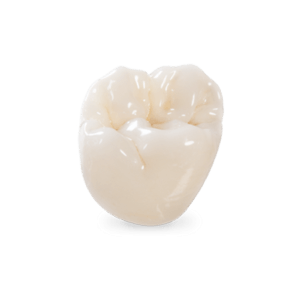
What is a Porcelain Fused to Zirconia Dental Crown?
Crowns in general are tooth shaped restorations that are used for improving the general appearance of teeth. Crowns serve their purpose by completely covering the tooth surface that is visible. These crowns are made from various types of materials but we shall focus on the porcelain fused to zirconia crowns (PFZ). This crown has become one of the favorite choice for both dentists and their patients. The reason for this preference is because this type of crown combines strength, durability and aesthetics. Porcelain fused to zirconia crowns are formed by porcelain being combined with zirconium oxide. The zirconia base has a white shade and is layered with porcelain to match final restoration. The porcelain fused with zirconia crowns are …

Do You Really Need to Go to the Dentist Every 6 Months?
Do you really need to go to the dentist every 6 months? Some dentists recommend it, but you might feel like it’s excessive. If you don’t have dental insurance it can be costly and even if you do, it’s time-consuming. What can a dentist do twice per year that you can’t do at home? Aren’t yearly visits enough? If you want to keep your teeth in perfect condition, the fact of the matter is that twice per year visits really are going to be your best option for a happy and healthy smile. Not convinced? That’s okay. Let’s talk about it! Here are 5 reasons that you should see a dentist every six months. 1. Brushing Won’t Get Everything You might be a diligent teeth-brusher (or a more realistic one, be honest!) but brushing, or even a …

Why Porcelain/All-Ceramic Crowns are Better
For many years, full porcelain restorations have been considered the most lifelike and natural looking restorations available. They are extremely beautiful and the best choice for the ultimate cosmetic result. Porcelain also does not conduct heat and cold very efficiently, so sensitivity to hot and cold foods during the initial placement period is often reduced. However, in the past, full porcelain crowns were not always always the best choice for every tooth in the mouth. Here’s why:Porcelain has the unique combination of being both strong and weak at the same time, much like an eggshell. Porcelain is harder than tooth enamel, so it can be damaging to the opposing natural teeth especially in patients who clench and grind habitually. …