

Oral surgery refers to any medical procedure performed on the mouth with specific regard to the teeth, jaw, and/or gums. Depending on the type of procedure being performed, it may be done by your general dentist in their office (a tooth extraction, for example), or by an oral surgeon in a hospital or clinic setting (such as the removal of wisdom teeth or dental implants, depending on the type of implant and the technique being used). General Dentist vs Oral Surgeon General dentist A general dentist has one of two degrees: Doctor of Medicine in Dentistry (DMD) or Doctor of Dental Surgery (DDS). While it might seem confusing, both degrees mean the same thing. A person who holds either degree has received the same education. The …

How Stress Affects Your Oral Health
Stress can be defined as a state of tension triggered by difficult or tough situations. It is known to have a great impact on our physical health. Stress (or to be more specific “distress”) is part of life and it is almost impossible to get rid of it entirely. However, lowering stress levels is important to avoid irreversible consequences on our overall body health, and more specifically, our oral health. It is known that people who are subject to a high level of daily stress are statistically less attentive to their overall health. They are usually less likely to exercise, more likely to use alcohol tobacco or any other drugs, which simply increase tensions and keep their body under greater strain. And oral health is …
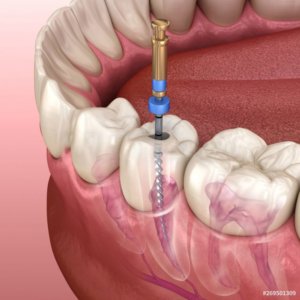
5 Reasons Not to Delay Root Canal Treatment
It’s easy to come up with excuses for postponing a root canal procedure. Whether it’s due to the fear of possible discomfort or the concern for how long a root canal can take—or even for the time it might take to locate a root canal specialist—putting it off is not only delaying the inevitable, but may also be causing bigger problems. The tooth is infected and dying; a root canal stops the infection: While the outer layers of the tooth are hard, the inner pulp is made of soft, living tissue. This tissue sometimes becomes infected (through deep decay, cracks in the tooth surface, etc.), and begins to die. Once that happens, treatment is needed right away — to stop the pain, control the infection, and keep it from spreading. Root …

Wisdom Teeth & Why are they Removed
What are Wisdom Teeth? Wisdom tooth is another name for any one of four third molars found in the permanent dentition (adult teeth). These teeth are the last or most posterior teeth in the dental arch. Although most people have wisdom teeth, it is possible for some or all of the third molars to never develop. It is also possible for a person to have more than four wisdom teeth. In many individuals, the wisdom teeth aren't visible because they have become impacted (not normally erupted through the gums) under the gingival tissue. Does Everyone have Wisdom Teeth? You know if you have wisdom teeth by examining your mouth and finding three permanent molars in each dental quadrant. However, if the tooth is impacted under the …

Dental Implants: Commonly Asked Questions
What are dental implants? Dental implants are small titanium posts that replace the roots of missing teeth (View Example). They are inserted into your jawbone during a minor surgical procedure that takes place in the dental office. After the implant has been placed in your jawbone, a completely lifelike porcelain tooth crown is attached. In some cases, the implant needs to fuse with the bone for several months before it is permanently crowned; in other cases, you can have new (but temporary) teeth the same day your implants are placed. Is the procedure painful? Our patients tell us that there is very little to no discomfort associated with the placement of an implant, and there is minimal to no swelling. General anesthesia is available …
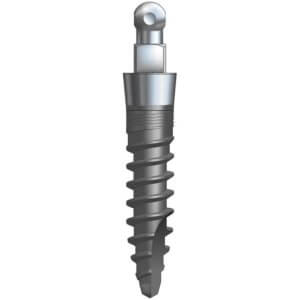
A Complete Guide to Mini Dental Implants
Are you looking to replace your missing teeth with implants but don't have the bone mass in your jaw to hold conventional implants? Or do you lack the ability to undergo surgery? All good! Mini dental implants may the best option for you. Mini dental implants are just as effective as traditional implants, but because they're smaller, they come with some additional benefits, including the fact that the procedure is much less involved. As you read on, we'll look at what traditional dental implants are and why they're needed. We'll then look at the difference between conventional and mini dental implants, the procedural differences, and the requirements for application. We'll also talk about how to take the best care of your mini …

Missing Teeth: Causes, Consequences & Solutions
Think that there aren’t any real consequence to missing teeth? Think again! Missing teeth isn’t just a cosmetic issue. Teeth fulfill all kinds of roles, some of which require that they all work together. Gaps can, and do, make a difference in the overall wellness of your mouth/body. Why do adults lose their teeth? There are several common reasons why you might lose a tooth as an adult. Accidents and trauma: Painful events, such as taking an elbow to the teeth during a family football game, are one common way that people lose teeth. This is usually a one-time event that accompanies a trip to the dentist right away. Although painful, teeth that get knocked out are typically of less concern than those lost for other …

SCI-FI Dentistry: Dental Implants = Bionic Teeth
Do you remember that TV show about Steve Austen, The Bionic Man? And how they were able to rebuild him because they had the technology to give him new body parts that would make him better than he was? Well in the decades since that show first aired, dentistry has come up with a replacement for missing teeth, that is positively, bionic. It’s called the dental implant and it’s arguably the most important dental technology to date. Let’s take a closer look to this remarkable innovation that unlike Steve Austen’s new legs, only requires a minor office surgical procedure. A dental implant is a small titanium post that is designed as a replacement of the root part of a missing tooth and is positioned inside your jaw bone just as natural …

Best Tips for Preventing Cavities in Children
When you think about the most common infectious disease in children, tooth decay probably isn’t what comes to mind first. However, almost half of children in the United States have it. Tooth decay in kids is responsible for the loss of over 51 million hours of school. Cavities are one of the most common dental problems in toddlers and children. Also referred to as tooth decay, a cavity is a permanently damaged area in a tooth. They can develop in your child’s primary or baby teeth, and if so, you might shrug it off — your child will eventually lose these teeth, right? So what does it matter? But you shouldn’t ignore a cavity. Here’s what you need to know about cavities in kids, including common causes, treatment options, and …

Top 5 Signs of Gum Disease
We often don’t think about oral health beyond our teeth, yet nearly half of all adults suffer from some form of gum disease. What most fail to realize is that if gum disease is left untreated, it can negatively impact your oral health resulting in infections, gum recession, and even tooth loss. Your gums are an essential part of your oral and overall health, and they deserve your attention just as much as any other part of your body. Be on the lookout for these five signs – if they apply to you, it’s time to seek help. 1. Bleeding When Brushing and Flossing Bleeding gums are one of the earliest and most common symptoms of gum disease. While you would likely run to the doctor if you started bleeding anywhere else, many people shrug off …