

Tooth loss is extremely common. It’s estimated that 69 percent of adults 35 to 44 have lost at least one adult tooth. By age 74, about a quarter of Americans lose all of their adult teeth. When you lose a tooth, it’s essential to get a proper replacement to keep the rest of your teeth aligned. Replacement teeth can also help you maintain your facial shape and avoid difficulties with eating or speaking. Two of the most common options are dental bridges and implants. Dental bridges are false teeth held in place by the teeth around your missing tooth. They’re usually made from materials like porcelain or plastic to match your natural tooth color. They can cover one or several missing teeth. Dental implants are artificial tooth roots …

Dental Implants for Missing Teeth/Uncomfortable Dentures
If you are self-conscious because you have missing teeth, wear dentures that are uncomfortable or don't want to have good tooth structure removed to make a bridge, talk to your dentist to see if dental implants are an option for you. Dental implants are a popular and effective way to replace missing teeth and are designed to blend in with your other teeth. They are an excellent long-term option for restoring your smile. In fact, the development and use of implants is one of the biggest advances in dentistry in the past 40 years. Dental implants are made up of titanium and other materials that are compatible with the human body. They are posts that are surgically placed in the upper or lower jaw, where they function as a sturdy anchor for …
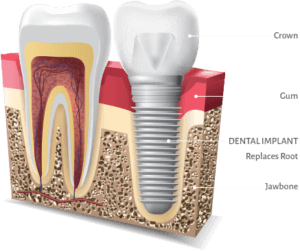
What’s So Special About Dental Implants?
Of all the innovative technological advancements in dentistry over the last 50 years, dental implants have been the most significant. Fully developed in the 1950s, implants have forever changed the dental care industry. Today we'll discuss the top 5 reasons why dental implants are so special. #1 They Prevent Dental Bone Loss When you have missing teeth or experience trauma to your mouth, your dental bone will start deteriorating if teeth aren’t replaced quickly. The absence of teeth in the gums and jawline causes loss of bone mass and weakening. This can also lead to other oral health complications. However, dental implants function like natural teeth. Once an implant is installed, dental bone fuses with the implant and starts to …