

Patients become anxious about going to the dentist for different reasons. This may include fear of receiving local anesthetic or concerns about the effectiveness of the anesthesia. Negative past experiences also may play a large role in a patient’s anxiety, as well as financial concerns. What do dentists do to relieve anxiety? Our Beaufort SC dentists work to reduce your anxiety before you even set foot in our dental office. This process begins when you make your appointment. Drs. Covington and Durants' office staff has been trained to tell you what to expect and to answer any questions you have to ensure that you will be comfortable during your visit. An understanding of our dental services and treatment can help to relieve dental …

Continuing Dental Education
About Continuing Education Continuing education (CE) is an important component of overall professional excellence for dentists and other health care professionals. By choosing Dr. Ashley Covington or Dr. Perry DuRant who frequently participates in CE programs, you can trust that our dentist are up-to-date in the field of dentistry and will provide your entire family with quality treatment. What is Dental CE? CE consists of classes, courses, and organized learning programs. Dentists participate in CE after they graduate from dental school so that they can stay up to-date in their field and learn about the latest techniques and procedures, such as laser dentistry, cosmetic procedures, or sleep dentistry. Who is required to take …

Oral Piercing Information
Oral piercing can cause pain, swelling, infection, drooling, taste loss, scarring, chipped teeth, and tooth loss. Our Beaufort dentist discourage oral piercing due to the many risks involved. If you do decide to get an oral piercing it is important to understand the regulations, associated problems and proper maintenance. What should I know before getting an oral piercing? Regulations on piercing vary from state to state, so it is important to be careful and find a professional who is prepared to answer any and all questions. They should use a fresh needle every time and sterilize all needles and instruments in an autoclave, which uses extreme heat to sanitize the instruments, to avoid serious infections such as HIV or Hepatitis. Also, …
Oral Hygiene
Bacteria can live in your mouth in the form of plaque, causing cavities and gingivitis, which can lead to periodontal (gum) disease. In order to keep your mouth clean, you must practice good oral hygiene every day. What is plaque? Plaque is a sticky layer of material containing bacteria that accumulates on teeth, including where toothbrushes can’t reach. Many of the foods you eat cause the bacteria in your mouth to produce acids. Sugary foods are obvious sources of plaque, but there are others that you might not realize can cause harm. Starches—such as bread, crackers, and cereal—also cause acids to form. Plaque also produces substances that irritate the gums, making them red, sensitive, and susceptible to bleeding. This can lead to gum …
Childrens Oral Health
What can I do for my child's oral health? Taking your child to the dentist at an early age is the best way to prevent oral health problems. An Infant Oral Exam can also educate you on how to properly care for your child’s teeth and to identify his or her dental needs. Early visits will help to familiarize your child with the dental office, too, which helps to reduce anxiety and fear, and make visits more stress-free in the future. Can tooth decay affect infants? Yes. Tooth decay in infants and young children most often occurs in the upper front teeth. This decay, commonly referred to as “baby bottle tooth decay,” is caused by prolonged exposure of a child’s teeth to liquids containing sugars. Your dentist can tell you more about what you …
Oral Care and Cancer
Patients diagnosed with cancer have special needs when it comes to their dental treatment. It is important for patients and our dentists to discuss dental treatment, its unique aspects during cancer treatment, and what effects cancer and cancer treatment can have on the patient’s mouth. What effect does cancer have on the mouth? Cancer—no matter where in the body it occurs—can affect teeth, gums, salivary glands, and other tissues in the mouth. How does cancer treatment affect the mouth? Chemotherapy and radiation treatments can affect the mouth, causing side effects that may include: • Pain in the mouth and gums • Mouth sores (oral mucositis) • Dry mouth (xerostomia) • Tooth decay • Burning or swollen tongue • Jaw stiffness • …
Oral Cancer
Oral cancer is a common form of cancer, with roughly 35,000 new cases reported annually in the United States. The most frequent oral cancer sites are the tongue, the floor of the mouth, the soft palate, and the tissues in the lips, gums, and back of the tongue. If not diagnosed and treated in its early stages, oral cancer can spread, leading to chronic pain, loss of oral function, irreparable facial and oral disfigurement following surgery, and even death. For this reason, it’s important to regularly visit Dr. Ashley Covington or Dr. Perry DuRant she or he can perform a thorough screening for oral cancer. How do our Beaufort SC Dentists screen for cancer? Dr. Covington and Dr. DuRant both screen for oral cancer during your routine …
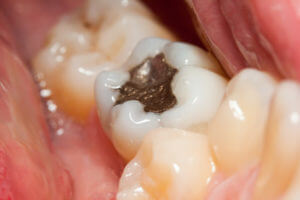
Dental Amalgam
What is Dental Amalgam? Dental amalgam is a mix of metal (also known as an alloy) that is made by combining mercury, silver, tin, copper, and sometimes other metallic elements. When your Dr. Covington or Dr. DuRant determines that you have a cavity in a tooth, she or he will tell you that you need a filling. But what exactly will our dentists use to fill the hole after the decay has been removed? In the past, dental amalgam has been the most widely used and researched material for fillings. It has been used to restore the teeth of more than 100 million Americans over the past 150 years. While there are still situational where amalgam is the best choice, composite material is now the industry standard. Why is amalgam a good …

Nutrition & Dental Health
Why are minerals and nutrients important for oral health? You must include minerals and nutrients in your diet in order for the body’s tissues to resist infection. The presence of too much or too little of any nutrient can have harmful effects, particularly on the mouth and teeth, and may contribute to oral diseases and infection. Which vitamins and minerals are good for me? There are many minerals and nutrients that are good for the entire body. Here are just some of the minerals and nutrients your body needs to stay healthy: • Calcium: Your teeth and jaws are made mostly of calcium. Without enough calcium in your diet, you risk developing gum disease and tooth decay. Calcium is found in many foods and liquids, such as milk, …

Allergic Reactions
What might cause an allergic reaction in the dental office? Allergic reactions that occur in the dental office may be caused by materials or medications. These allergens may include: Latex. Latex can be found in many medical or dental supplies and devices, such as masks, gloves, and syringes. Unlike some consumer goods made from synthetic latex, natural rubber latex is derived from a milky substance found in rubber trees. Some individuals have developed hypersensitivity to proteins derived from natural rubber latex, which can cause allergic reactions. If you are allergic to latex, ask your dentist if he or she has latex-safe products available for use during a dental procedure or surgery. Local anesthetics are used to numb your mouth and …