
What do hormones have to do with a woman’s oral health? Hormonal changes occur throughout a woman’s life, and with these hormonal changes come changes in oral health. Puberty, menstruation, pregnancy, and menopause all can have an effect on a woman’s oral health. The use of oral contraceptives (birth control pills) can affect a woman’s oral health as well. When might I notice changes in my oral health? During puberty, fluctuations in hormones can make gums more susceptible to gingivitis. As a result, the gums may appear red and swollen, and they can bleed. During menstruation, women who have a tendency to develop canker sores and cold sores may develop a pattern in which these sores recur during every menstrual cycle. During pregnancy, …
Toothpaste Abrasivity
Toothpaste has many functions: It delivers fluoride to prevent cavities, cleans your teeth by removing dental plaque and food from your teeth, polishes your teeth and removes stains surface over time, and freshens breath. Overall, toothpaste promotes good oral health. What’s in toothpaste? Toothpaste, also known as dentifrice, is available in paste or gel form. Despite the many types of toothpaste that exist, some ingredients are common to most varieties. These include: • Abrasives, such as silica, to brush away the leftover food and plaque on your teeth with the help of your toothbrush. Abrasives also polish your teeth and remove stains over time, making the teeth appear whiter. • Fluoride to make the entire tooth structure more …

Tooth Erosion
Many people consume carbonated beverages, fruit juice, and highly acidic foods every day but probably don’t realize that they might be harming their teeth. The acid in the foods we eat and drink can cause tooth enamel to wear away, making teeth sensitive, cracked, and discolored. What is tooth enamel erosion? Tooth erosion, or tooth wear, is the loss of tooth structure. Basically, tooth erosion refers to the wearing away of the hard part of your teeth, which is called the enamel. What causes enamel erosion? Tooth erosion occurs when the enamel on your teeth is worn away by acid. Usually the calcium contained in saliva will help remineralize (or strengthen) your teeth after you consume small amounts of acid, but the presence of a …

Tooth Decay: Causes and Prevention
What causes tooth decay? Tooth decay, also known as caries or cavities, is an oral disease that affects many people. Natural bacteria live in your mouth and form plaque. The plaque interacts with deposits left on your teeth from sugary and starchy foods and produces acids. These acids damage tooth enamel over time by dissolving, or demineralizing enamel, which weakens the teeth and leads to tooth decay. Tooth decay is not life threatening and is highly preventable. What types of foods may contribute to tooth decay? Foods containing carbohydrates (starches and sugars), such as soda pop, candy, ice cream, milk, and cake, and even some fruits, vegetables, and juices, may contribute to tooth decay. How can cavities be prevented? The acids …
Teen’s Oral Health
Should I limit drinking soda? YES! Whether at school, home or on the weekends, teens are drinking more soda than they have in the past. In 1977, 12 to 19-year-olds drank 16 ounces of soda a day. In 1996, this same age group consumed an average of 28 ounces a day. Not only is sugar harmful to teeth, acidic flavor additives can also erode and damage tooth enamel. There are simple ways you can limit the harmful effects of sodas. Try sipping soda through a straw. It cuts down on the contact the beverage has with your teeth. Rinse your mouth with water after drinking soda. It can also reduce the risk of cavities. Why should I avoid oral piercings? Tongue piercing remains a teen trend, however it is not always a healthy choice for your …
Sports Dentistry
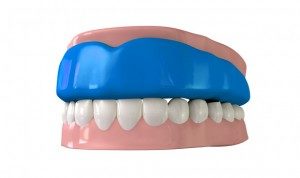
Whether you are a professional athlete or a weekend warrior, protecting your mouth, face, head, and neck should be a priority when you participate in your favorite sport or activity. Taking the appropriate protective measures while on the court, field, rink, or ring can save you from serious injury and costly dental repairs. What sports pose a threat to oral health? Any sport that presents the chance of contact or collision with another person, object, or surface can potentially cause injury to the teeth, jaws, and oral soft tissue. These sports include, but are not limited to, football, basketball, soccer, hockey, boxing, and lacrosse. Individuals who participate in sports, such as biking, inline skating, or skateboarding, also are at …

Sensitive Teeth
Why are my teeth sensitive? Exposed dentin is the likely reason. Dentin is the tissue that makes up the core of each tooth. Dentin is covered by a protective coating of enamel. When this enamel wears away or decays, the dentin becomes exposed and receptive to sensations, including pain. Dentin exposure and sensitivity also occur when roots are exposed due to gum recession. When does tooth sensitivity usually occur? You may experience tooth sensitivity, or dentin hypersensitivity, after eating cold or hot foods, drinking cold or hot liquids, or breathing cold air. What causes dentin hypersensitivity? Causes of dentin hypersensitivity include brushing too hard, which wears away enamel, and gum disease. Other causes include cracked or …
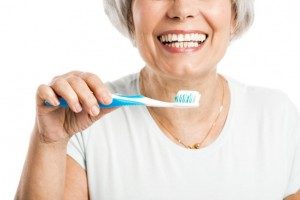
Senior Oral Health Care
Proper oral care can keep you smiling well into retirement. Brushing at least twice a day with a fluoride toothpaste and a soft-bristle brush are important. Flossing helps save your teeth by removing plaque between teeth and below the gum line that your toothbrush can’t reach. What problems should I watch for? Gingivitis. Most people don’t realize how important it is to take care of their gums. Gingivitis is caused by the bacteria found in plaque that attacks the gums. Symptoms of gingivitis include red, swollen gums and possible bleeding when you brush. If you have any of these symptoms, see a dentist at once. Gingivitis can lead to a more serious form of gum disease if problems persist. Why should I be concerned about gum …

Periodontal Disease & Pregnancy
If you’re planning to become pregnant or suspect you’re already pregnant, it’s important that you see a dentist right away. Pregnancy may cause unexpected oral health changes due to hormones—particularly an increase in estrogen and progesterone—which can exaggerate the way in which gum tissues react to plaque. Research continues to show that overall health and oral health coincide, so it’s especially important for you to maintain good oral hygiene throughout your pregnancy. Visiting your dentist will allow him or her to assess your oral condition and map out a dental plan for the remainder of your pregnancy. How does plaque build-up affect me? When plaque isn’t removed, it can cause gingivitis—red, swollen, tender gums that are more …

Periodontal Disease & Diabetes
It is estimated that up to 20 million people have diabetes, but only two-thirds of these individuals are diagnosed. Studies have shown that diabetics are more susceptible to the development of oral infections and periodontal (gum) disease―than those who do not have diabetes. This relationship causes great concern because serious gum disease may have the potential to affect blood sugar control and contribute to the progression of diabetes. That’s why it’s important for people with diabetes to visit a dentist on a regular basis and to keep the dentist up to date on the status of the diabetic’s oral and overall health. How are gum disease and diabetes related? Because diabetes reduces the body’s resistance to infection, the gums are …