
What is Dry Mouth?
Dry mouth occurs when you don’t have enough saliva in your mouth to perform its beneficial functions. Saliva washes away food particles that may get lodged in your teeth. It also protects your teeth from the acids in foods and drinks. Without this protection, your teeth are more vulnerable to decay and gingivitis (inflammation of the gums).
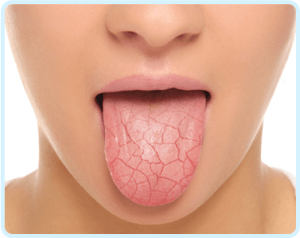 Dry Mouth Remedies
Dry Mouth can develop for many reasons: medications, nutritional deficiencies, stress, and more. Your Beaufort dentist or physician can help you pinpoint the cause of your dry mouth and treat the cause. However, there are some easy dry mouth remedies you can do at home to help ease your symptoms.
1. Drink Water
Dry mouth can occur as a result of dehydration if you’re not drinking enough fluids. Dehydration isn’t always the cause of dry mouth, but sipping water can still help wash away bacteria in your mouth until your saliva flow returns to normal.
2. Suck on Sugar-Free Candies
Sucking on candies or mints can stimulate your salivary flow, temporarily relieving your dry mouth symptoms. You should choose sugar-free products because sugar can cause tooth decay. And your risk of tooth decay is even higher with dry mouth.
3. Chew Sugar-Free Gum
Just like sucking on sugar-free candy, chewing gum stimulates the flow of saliva. Be sure to chew a sugar-free gum that has earned the ADA Seal of Acceptance, which promises that the gum holds true to its label claims to stimulate saliva.
4. Opt for Decaf
Caffeine can cause further dryness, so it can exacerbate your dry mouth symptoms. You can still drink beverages like coffee or tea, but the decaffeinated versions would be better for you.
5. Breathe Through Your Nose
Breathing through your mouth can increase dryness, especially if you’re breathing through your mouth while you sleep. If you’re unable to breathe this way due to allergies or congestion, speak with your healthcare provider about taking care of allergies, congestion, or sleep issues.
6. Use a Humidifier
Breathing in dry air can contribute to dry mouth over time, so using a humidifier to add moisture to the room can help. Breathing in this treated air can help cut down on your symptoms, especially when you’re sleeping.
7. Quit Smoking
Smoking can cause or exacerbate dry mouth because cigarettes can actually slow down saliva production. If you’re having trouble quitting smoking — and many do — ask your dentist or physician for advice.
8. Rinse with a Dry Mouth Alcohol-Free Mouthwash
Many mouthwash products contain alcohol, which can be slightly abrasive and affect your mouth’s moisture levels. Using a dry mouth alcohol-free mouthwash can help to moisten the mouth without accidentally irritating or drying it out more.
9. Over-the-Counter Saliva Replacement Products
There are sprays, rinses, and specially-formulated toothpaste that help keep your mouth moisturized. Sprays are convenient because they’re portable and take only a second to provide relief. Most saliva substitute products can be used as often as needed or as your doctor recommends.
10. Get Your Vitamins
If dry mouth has caused further oral health issues like inflammation or mouth sores, ensuring your immune system is healthy can prevent infection. According to many experts, Vitamin C helps repair skin, teeth, bones, and tissues. B vitamins also help your immune system. Talk to your doctor about taking a B-complex supplement with thiamine, niacin, riboflavin, and B6.
Dry mouth is an uncomfortable condition with many causes. Still, with the help of your dentist and these at-home remedies, you can learn how to manage the symptoms. Take extra care of your oral health and talk with your dentist to find the best dry mouth home remedy to keep your mouth feeling comfortable.
Untreated dry mouth can damage oral health
Left untreated, dry mouth, which doctors call Xerostomia, can lead to a variety of problems, including:
- Bad Breath (Halitosis)
- Cavities
- Yeast infections
- Gingivitis (gum disease)
- Improper denture fit
Over time, you may experience changes in taste, difficulty swallowing, and in some cases, speech changes. You may also notice cracks and cuts on your lips at the corners of your mouth, or you could experience a burning sensation on your tongue.
Dry mouth usually resolves on its own one to two months after completing chemotherapy, but it can last six months to a year after radiation to the head and neck.
The Takeaway
Dry mouth can be irritating and may even lead to other problems in the mouth if left unchecked. Many home remedies can help a person get relief. Anyone struggling with treating dry mouth at home should talk to their dentist. They may recommend a change in medication or other tests to help diagnose and treat any underlying issue.
Lowcountry Family Dentistry is here to help
If you exhibit any of the symptoms of dry mouth, it’s important to contact your dentist so that he or she can properly evaluate and diagnose the condition. A variety of methods are available to help patients manage dry mouth. Dr. Covington may recommend using saliva substitutes and over-the-counter mouthwashes, gels, and sprays. To ease discomfort, your dentist also may recommend brushing and flossing twice a day, chewing sugarless gum, drinking plenty of water, and maintaining regular dental visits. In addition, your dentist may suggest that you change your diet, avoiding alcohol, caffeine, smoking, citrus juices, dry foods, and overly salty foods. For more information, call our Ladys Island dental office at 843-986-0177 or or schedule an online appointment.
 10 Essential Vitamins for Good Oral Health