
Even though they are temporary, your child’s baby teeth are important, and are still susceptible to cavities. Tooth decay in infants and toddlers is often referred to as Baby Bottle Tooth Decay, or Early Childhood Caries. Children need strong, healthy teeth to chew their food, speak and have a good-looking smile. Their first teeth also help make sure their adult teeth come in correctly. It’s important to start infants off with good oral care to help protect their teeth for decades to come.
 What Causes Baby Bottle Tooth Decay?
Baby Bottle Tooth Decay most often occurs in the upper front teeth, but other teeth may also be affected.
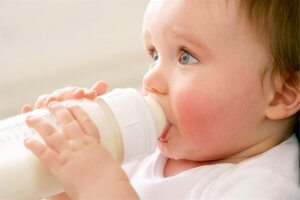
There are many factors which can cause tooth decay. One common cause is the frequent, prolonged exposure of the baby’s teeth to drinks that contain sugar. Tooth decay can occur when the baby is put to bed with a bottle, or when a bottle is used as a pacifier for a fussy baby.
Tooth decay is a disease that can begin with cavity-causing bacteria being passed from the mother (or primary caregiver) to the infant. These bacteria are passed through the saliva. When the mother puts the baby’s feeding spoon in her mouth, or cleans a pacifier in her mouth, the bacteria can be passed to the baby.
If your infant or toddler does not receive an adequate amount of fluoride, they may also have an increased risk for tooth decay. The good news is that decay is preventable.
Tips to Prevent Baby Bottle Tooth Decay
- Try not to share saliva with the baby through common use of feeding spoons or licking pacifiers. After each feeding, wipe your child’s gums with a clean, damp gauze pad or washcloth.
- When your child’s teeth come in, brush them gently with a child-size toothbrush and a smear (or grain of rice sized amount) of fluoride toothpaste until the age of 3.
- Brush the teeth with a pea-sized amount of fluoride toothpaste from the ages of 3 to 6.
- Supervise brushing until your child can be counted on to spit and not swallow toothpaste—usually not before he or she is 6 or 7.
- Place only formula, milk or breast milk in bottles. Avoid filling the bottle with liquids such as sugar water, juice or soft drinks.
- Infants should finish their bedtime and nap time bottles before going to bed.
- If your child uses a pacifier, provide one that is clean—don’t dip it in sugar or honey.
- Encourage your child to drink from a cup by his/her first birthday.
- Encourage healthy eating habits.
When your child’s first tooth appears, talk to one of Lady’s Island dentists about scheduling the first dental visit. Treat the first dental visit as you would a well-baby checkup with the child’s physician. Remember: starting early is the key to a lifetime of good dental health. For more information about nutrition and your baby, visit our pediatric blog or see the pediatric dentistry section of our site to see what services we offer.
If you’ve been searching for a local children’s dentist, consider Lowcountry Family Dentistry. At our office we can accommodate the needs of your whole family in one convenient location. Our experienced team takes great joy in making little one feel at ease and can answer any questions you might have. We invite you to schedule a consultation at our Beaufort dentist office by calling 843-986-0177 or our online appointment form.
 What is National Children’s Dental Health Month?